February 16, 2026 · 7 min read
There’s nothing more frustrating than investing in new bathroom blinds or shades, only to see them warp, peel, or develop mildew after a few months of daily showers. We’ve worked with many Long Island homeowners who learned the hard way that not all bathroom window treatments are designed to survive humidity, especially when coastal moisture and salt air are part of everyday life.
If you’re researching the best bathroom window treatments for your home, material choice should be your first priority. Bathrooms are naturally high-moisture environments. Steam rises, condensation forms, and without proper ventilation, that moisture lingers. Here on Long Island, we also deal with seasonal dampness, ocean air, and salt exposure that can quietly accelerate wear on untreated materials.
And this isn’t just about durability. Privacy matters just as much. The wrong window treatment may look fine during the day but leave you exposed at night once the lights turn on.
Just like selecting the best kitchen window treatments, performance should carry equal weight with design. In moisture-heavy spaces, you need solutions built to handle humidity while maintaining privacy and style.
Many homeowners ask us the same questions: Are blinds or shades better for bathrooms? Can you put shades in a bathroom? How do you prevent moisture damage on window treatments? Let’s walk through the answers and the five options we consistently recommend for humid, coastal Long Island homes.
Why Humidity Matters More Than You Think
Humidity doesn’t just make mirrors fog—it slowly breaks down materials. Each shower increases indoor moisture levels, and when that moisture settles on untreated wood, fabrics, or low-grade hardware, deterioration begins. Swelling, peeling finishes, mold growth, and corroded components are common results.
According to the U.S. Environmental Protection Agency’s “Care for Your Air: A Guide to Indoor Air Quality”, mold and other indoor pollutants can grow wherever moisture accumulates in the home, and the best way to control mold is to control moisture levels throughout.
This is particularly relevant in Long Island homes where salt air adds another corrosive element. Even materials that might perform adequately inland can struggle in coastal conditions.
That’s why choosing moisture resistant window treatments is not just a design decision—it’s a protective one.
What Window Treatments Work Best in Bathrooms?
The best window treatments for bathrooms balance four essential qualities. They must resist moisture, provide dependable privacy, allow flexible light control, and remain easy to maintain over time. When these elements work together, you get a solution that looks good and performs even better.
Here are the five options we trust most in humid environments.
Composite Shutters: Built for Moisture and Longevity
Composite shutters are one of the strongest performers in humid bathrooms. Unlike natural wood, composite materials are engineered to resist swelling, cracking, and warping when exposed to steam. That makes them ideal for daily shower use.
They offer excellent privacy because the adjustable louvers allow you to control both light and visibility. During the day, you can tilt them to let light in while maintaining discretion. At night, fully closed shutters provide solid coverage.
For Long Island homeowners concerned about salt air and long-term durability, composite shutters offer peace of mind. They are easy to wipe clean and maintain their structure even in damp environments. For bathrooms that need a timeless, finished look, this option is both practical and elegant.
Faux Wood Blinds: Practical and Reliable
If you prefer the look of wood but want something that holds up to humidity, faux wood blinds are a smart alternative. Made from PVC or similar moisture-resistant materials, they mimic the warmth of wood without absorbing water.
Faux wood blinds allow precise control of light and privacy, making them especially useful for bathrooms facing neighbors or busy streets. You can adjust the slats to balance brightness and discretion throughout the day.
Because they resist cracking and peeling, they’re a dependable choice for homeowners looking for durable bathroom window shades that won’t deteriorate under steam exposure. In humid Long Island homes, this balance of style and resilience makes faux wood a popular choice.
Vinyl Roller Shades: Clean Lines, Strong Protection
Vinyl roller shades are ideal for homeowners who prefer a sleek, modern aesthetic. Their non-porous surface naturally resists moisture, reducing the risk of mildew or fabric breakdown.
They are available in various opacity levels, from light-filtering to blackout, allowing you to customize privacy based on window placement. In bathrooms where windows face close neighbors, choosing a more opaque fabric ensures coverage after sunset.
Because vinyl surfaces are easy to wipe down, they simplify maintenance in a room where splashes and condensation are common. For contemporary Long Island homes, these custom shades for bathrooms offer a streamlined look with dependable performance.
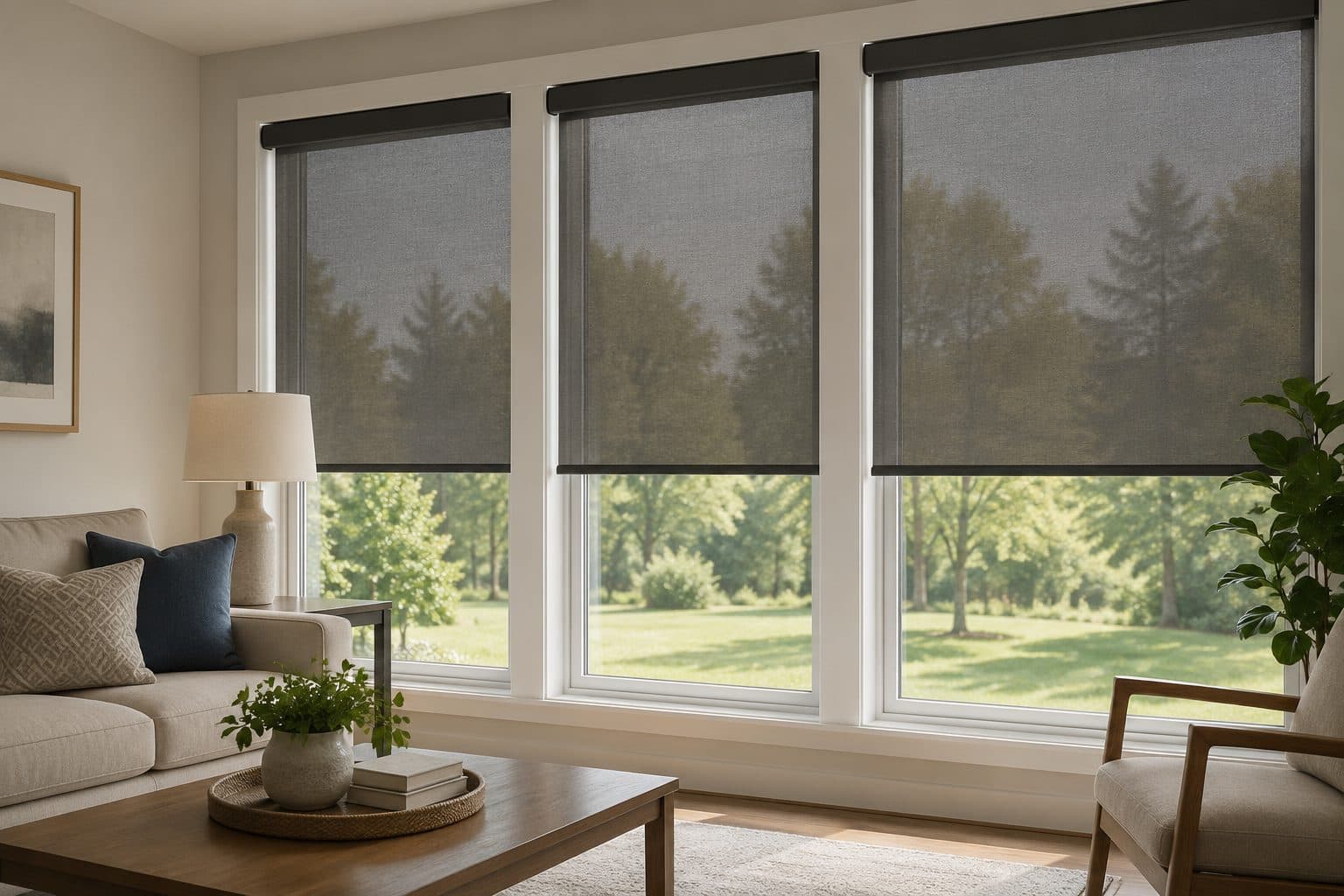
Solar Shades with Privacy Liners: Light Without Exposure
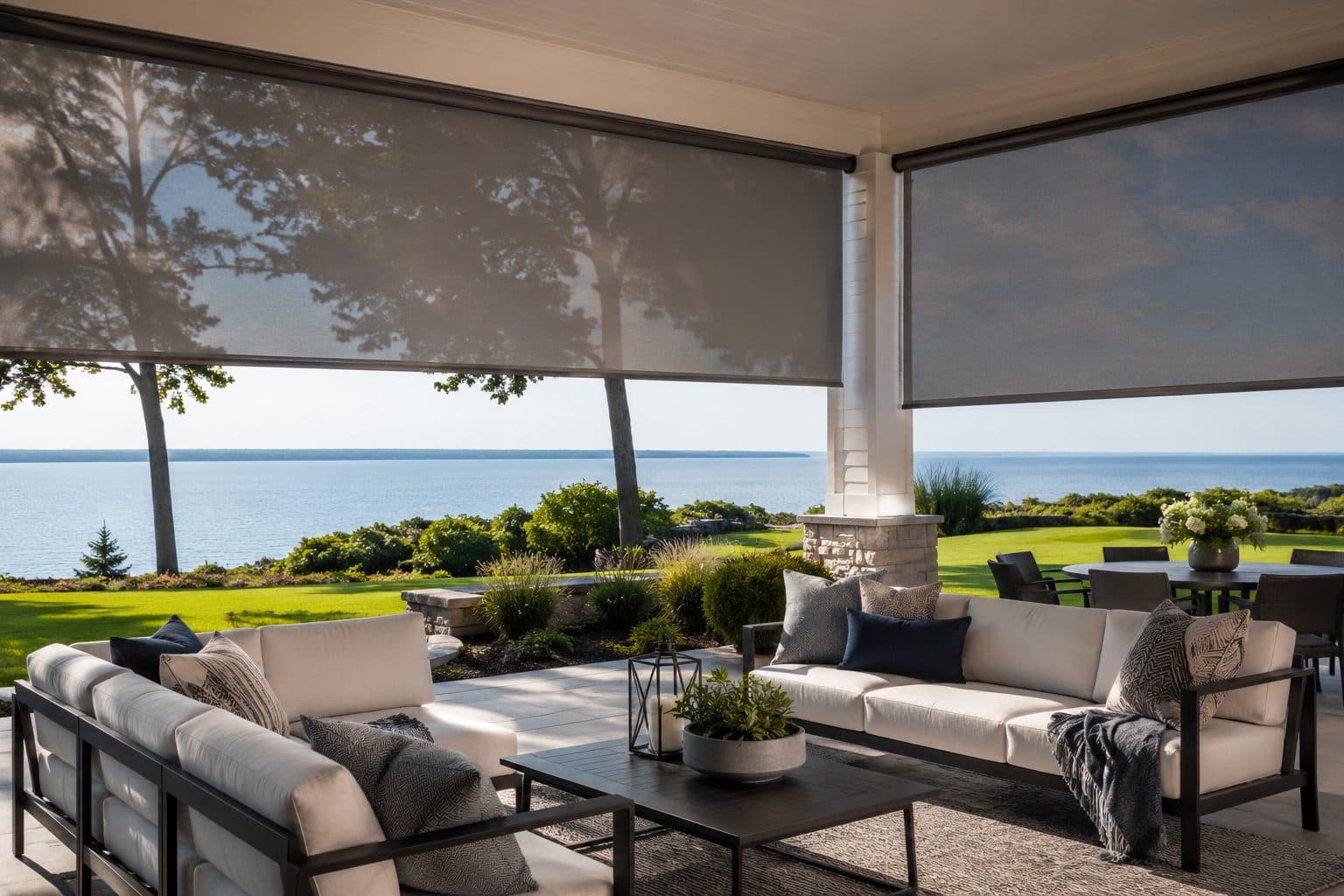
Solar shades are designed to reduce glare while maintaining outward visibility during the day. However, in bathrooms, daytime privacy is only half the story. Once interior lights are on, privacy can diminish.
That’s where a privacy liner becomes essential. By pairing solar fabric with a liner, you maintain soft daylight while ensuring nighttime discretion. This combination works particularly well in neighborhoods where homes are built closer together, a common scenario across Nassau and Suffolk counties.
When properly selected and professionally installed, solar shades with liners offer a balanced solution for light management and privacy in humid spaces.
Moisture-Resistant Cellular Shades: Soft Yet Durable
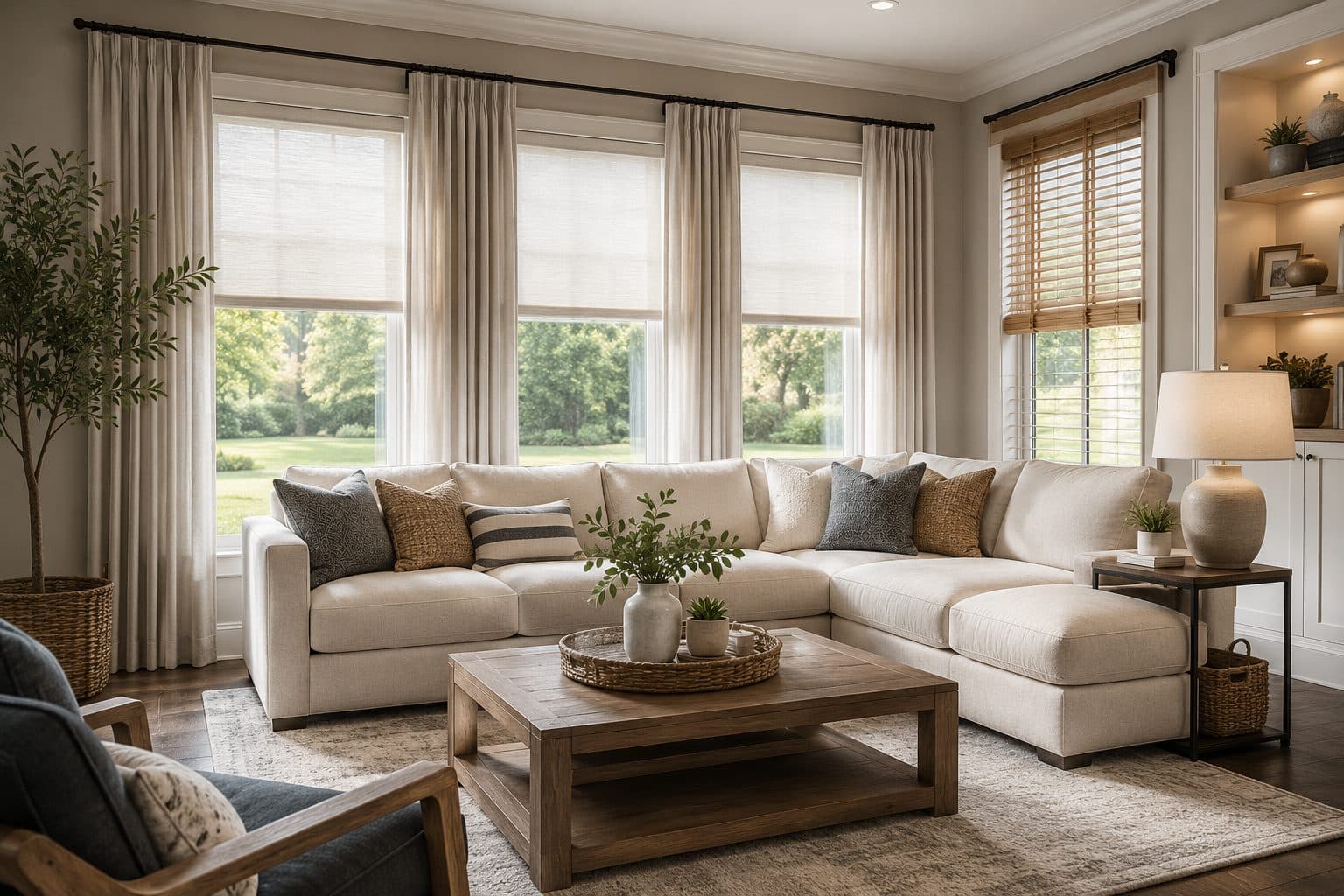
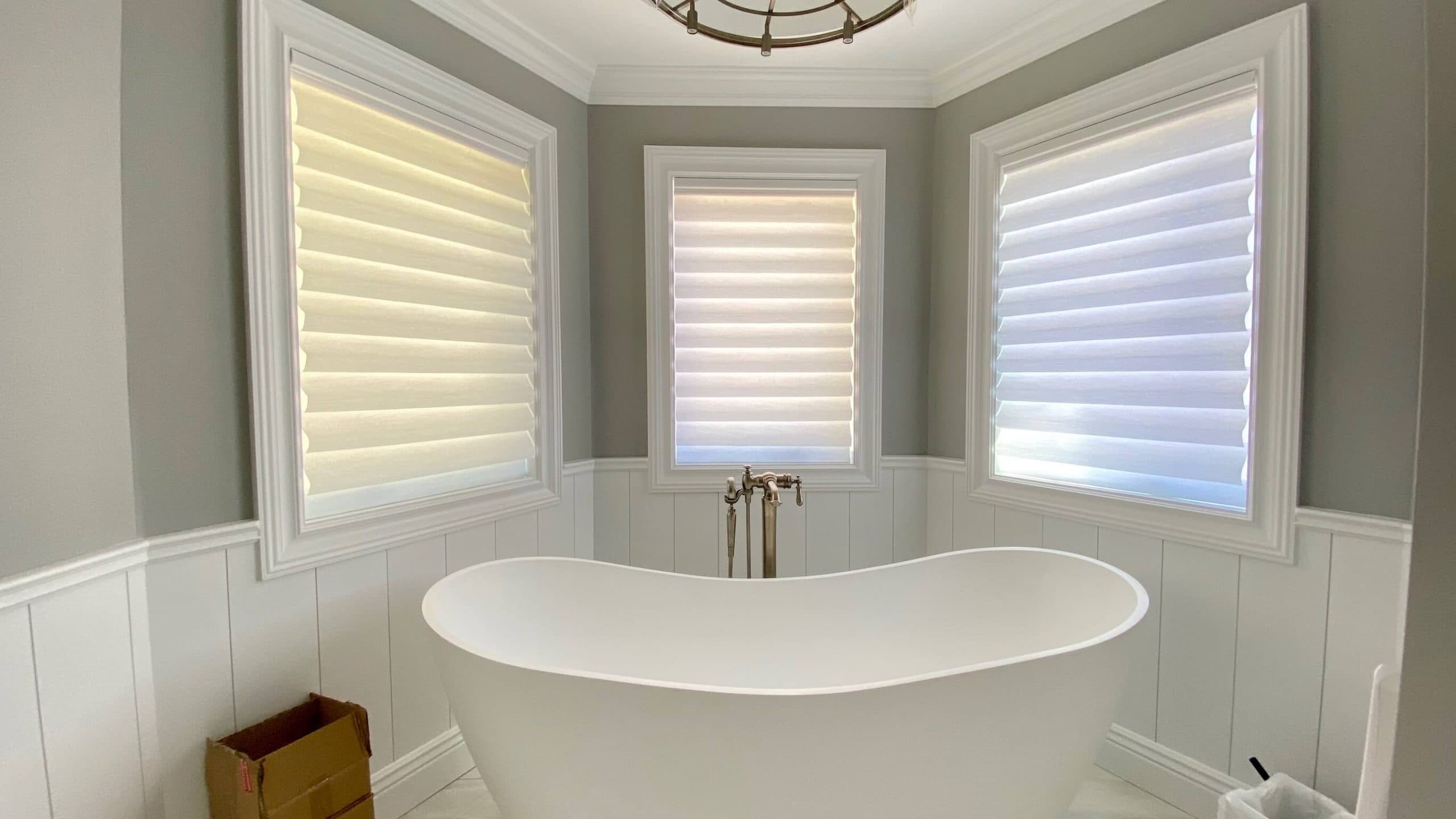
Cellular shades are known for their insulating properties, but when constructed with moisture-resistant fabrics, they also perform well in bathrooms. Their honeycomb structure helps regulate temperature, which can be beneficial in spaces that fluctuate between warm steam and cooler air.
The key is selecting treated synthetic materials rather than absorbent fabrics. With the right fabric choice and proper installation, cellular shades can offer both softness and resilience.
For homeowners who want something less rigid than shutters or blinds but still durable, moisture-treated cellular shades are an excellent option.
Can You Put Shades in a Bathroom?
Yes, you absolutely can install shades in a bathroom, provided they are made from moisture-resistant materials. Vinyl, synthetic blends, and treated fabrics are all suitable choices. What you should avoid are untreated cotton or linen materials that absorb steam and encourage mold growth.
Professional measurement and installation also play an important role. Properly mounted shades prevent moisture from becoming trapped around hardware and ensure complete privacy coverage.
Are Blinds or Shades Better for Bathrooms?
There isn’t a one-size-fits-all answer. Blinds provide adjustable slats that allow for airflow and precise light control, which can be useful in steamy spaces. Shades offer a clean, uninterrupted surface that many homeowners prefer for aesthetic reasons.
The deciding factor isn’t whether it’s a blind or shade—it’s the material. Moisture resistant window treatments will outperform natural wood and untreated textiles every time in humid bathrooms. In coastal Long Island homes, durability should always guide the decision.
How Do You Prevent Moisture Damage on Window Treatments?
Preventing moisture damage begins with controlling humidity levels. Running an exhaust fan during and after showers reduces lingering steam.
Wiping down surfaces occasionally helps remove condensation before it settles into materials. Most importantly, selecting non-porous materials like composite, PVC, or vinyl dramatically reduces long-term risk.
Avoid untreated wood and fabric in high-moisture areas, and ensure installations are secure and properly fitted. Small gaps or improperly mounted hardware can trap moisture and accelerate deterioration.
Why Custom Solutions Matter in Coastal Long Island Homes
Long Island’s climate demands more from home materials than many inland areas. Salt air, fluctuating humidity, and seasonal condensation create conditions that test durability.
Custom window treatments allow us to tailor material selection, sizing, and installation methods to your specific bathroom layout. Off-the-shelf options may seem convenient, but they often lack the moisture resistance and precise fit needed for long-term performance.
As local specialists, we focus on providing solutions built for this environment. We are not a big-box retailer selling one-size-fits-all products. We design and install treatments that consider your window orientation, privacy needs, and exposure to coastal conditions. That difference matters.
Designed to Last in Humid Long Island Homes
Bathroom window treatments should do more than look good on installation day. They should stand up to steam, salt air, and daily use while maintaining privacy and style.
When you choose materials built for humidity and invest in professional installation, you protect both your comfort and your home’s value. If you’re ready to upgrade your bathroom with solutions that truly perform in coastal conditions, we’re here to help guide you every step of the way.
Frequently Asked Questions
What window treatments work best in bathrooms?
Composite shutters, faux wood blinds, vinyl roller shades, solar shades with privacy liners, and moisture-treated cellular shades are among the most reliable options. These materials resist moisture and maintain privacy without warping or cracking in humid conditions.
Can you put shades in a bathroom?
Yes, as long as the shades are made from moisture-resistant materials such as vinyl or treated synthetic fabrics. Avoid untreated textiles that absorb steam and increase the risk of mold.
Are blinds or shades better for bathrooms?
Both can work well if made from appropriate materials. Faux wood blinds offer adjustable airflow and light control, while moisture-resistant shades provide a streamlined appearance. The material choice is more important than the category.
How do you prevent moisture damage on window treatments?
Use proper ventilation, select non-porous materials, clean surfaces periodically, and ensure professional installation to avoid trapped moisture around mounting hardware.
What’s the best bathroom window treatment for privacy at night?
Composite shutters and shades with privacy liners provide strong nighttime coverage. These options ensure visibility is blocked once interior lights are on.
Filed under
- Bathroom Window Shades
- Bathroom Window Treatments
- Custom Shades For Bathrooms
- Moisture Resistant Window Treatments
- Window Treatments For Bathrooms