
03 · Custom Blinds
Real wood, real metal, and vertical blinds re-imagined for sliding-door walls.
Blinds get a bad reputation from the cheap big-box version. Done well, with proper slat width, weighty material, and even tilt, they're the most controllable treatment on the market.
Blind Types
Four blinds, and the room each one is built for.
 01
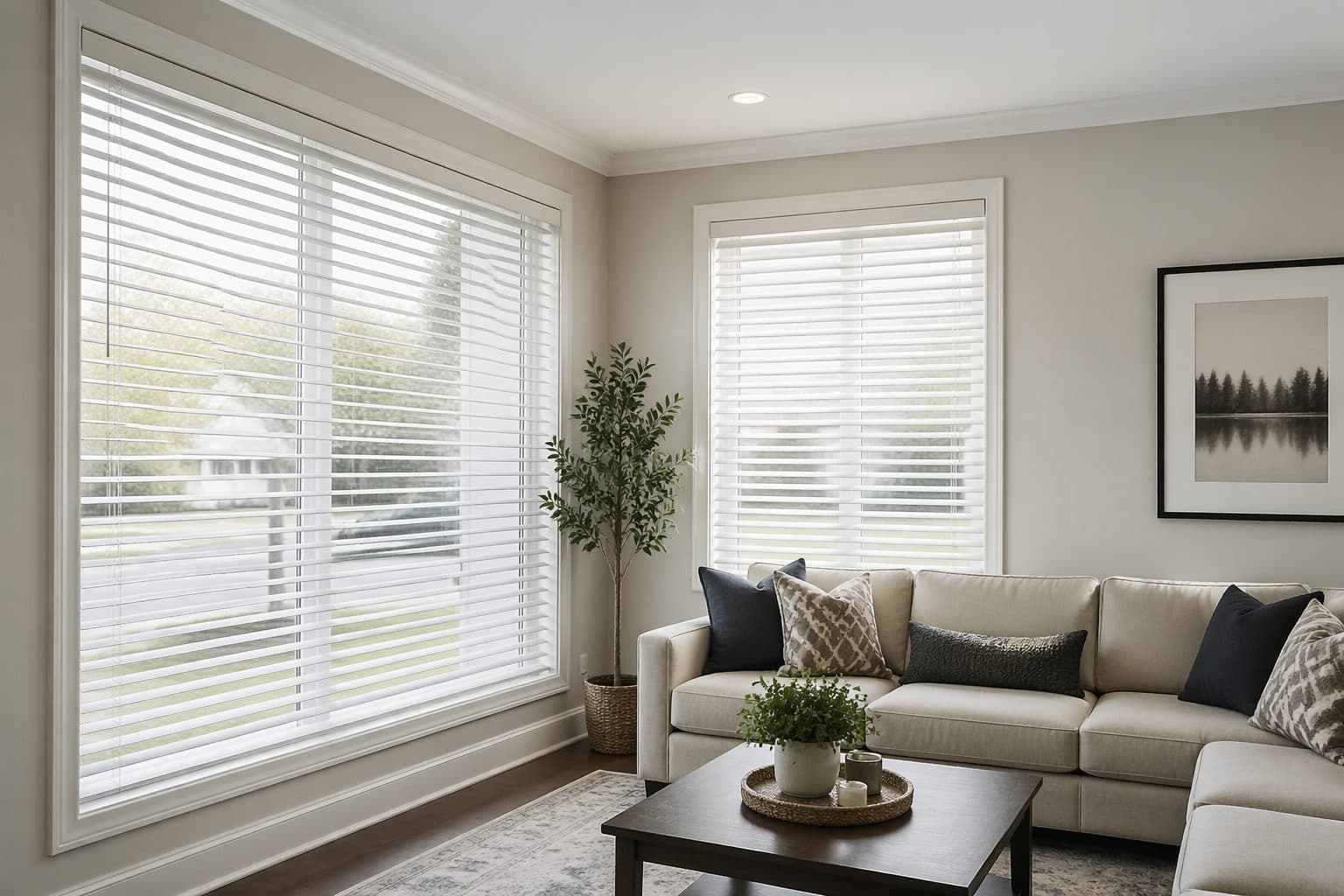
01Real Wood Blinds
Genuine basswood and bamboo, available in 2-inch and 2½-inch slats. Stained to match floors, painted to match trim, or finished in a designer color.
 02
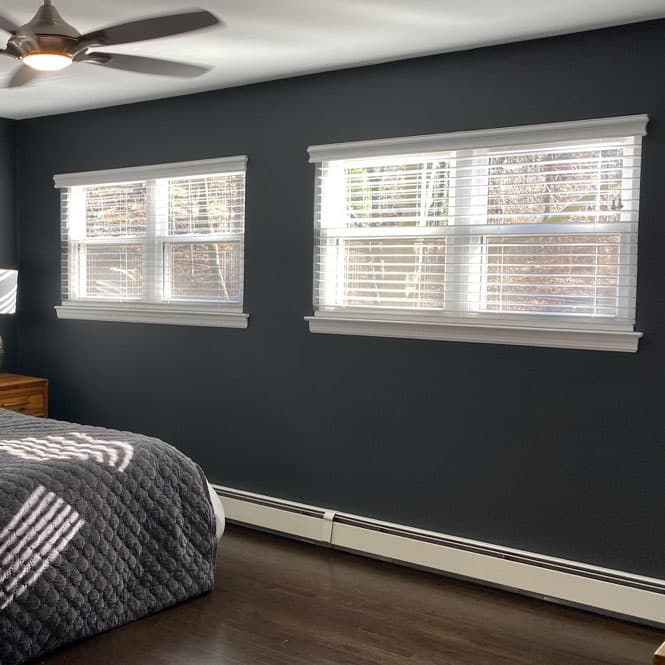
02Faux-Wood & Composite
The look of wood, engineered for kitchens, baths, and high-humidity rooms. Won't warp, fade, or chip.
Metal Mini-Blinds
Thin-slat aluminum in over 100 colors. Modern, almost-invisible inside-mount option for offices and contemporary kitchens.
 04
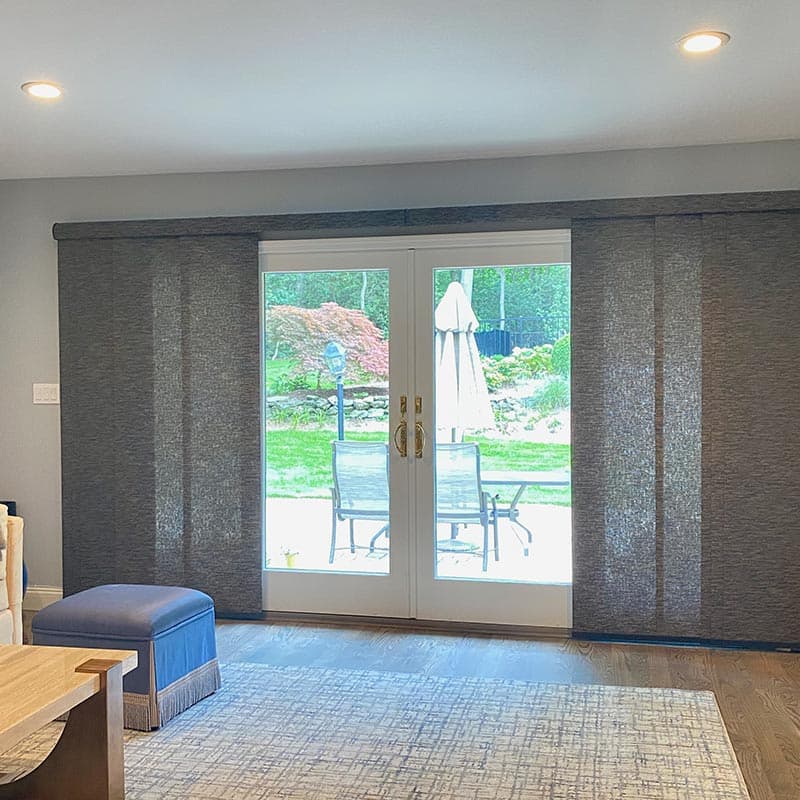
04Vertical Blinds
Hunter Douglas Skyline and Cadence systems, modern vertical solutions for sliding doors and tall walls of glass. Fabric, faux-wood, and S-curve vane options that finally make verticals look intentional.
Buying Notes
Three rules we wish more people knew about blinds.
Slat width matters more than you think.
2-inch slats are the safe default, but on small windows they look heavy. On tall windows, 2½ or 3-inch slats hold up better visually and stack tighter when raised.
Inside-mount almost always wins.
If your window has at least 1½ inches of depth, mounting inside the casing is cleaner and lets the trim do the framing. Outside-mount looks dated unless you have a reason for it.
Avoid the cheap cord lock.
The cord-lock mechanism is the first thing to fail on inexpensive blinds. Hunter Douglas and the lines we carry use heavier-duty mechanisms that hold up to twenty years of daily use.
Free In-Home Consultation
Book your complimentary in-home consultation.
Tell us a little about your project and we will be in touch within one business day. No deposit, no obligation, just a designer with samples at your kitchen table.